Stop blaming yourself for a "Black Box" you didn’t build.
Everyone in marketing wants your money.
The platform profits when you waste money. The agency profits when you spend it. You are the only one incentivized to save it.
I wrote this blog to expose the "Black Box" and show you how to protect your business. I don't sell management. I sell the solution you need to stop losing money on ads.
Search all blog posts:

13 Strategic Rules to Turn Paid Search Clicks into Signed Contracts
Most business owners assume poor Google Ads performance means they need better keywords, bidding strategies, or campaign optimizations. In reality, traffic is often only 20% of the challenge. The real problem lives between the click and the signed client. In this video, Sarah Stemen shares the framework she uses to audit Google Ads accounts and reveals the systems, landing pages, offers, and conversion strategies that turn search traffic into paying customers.
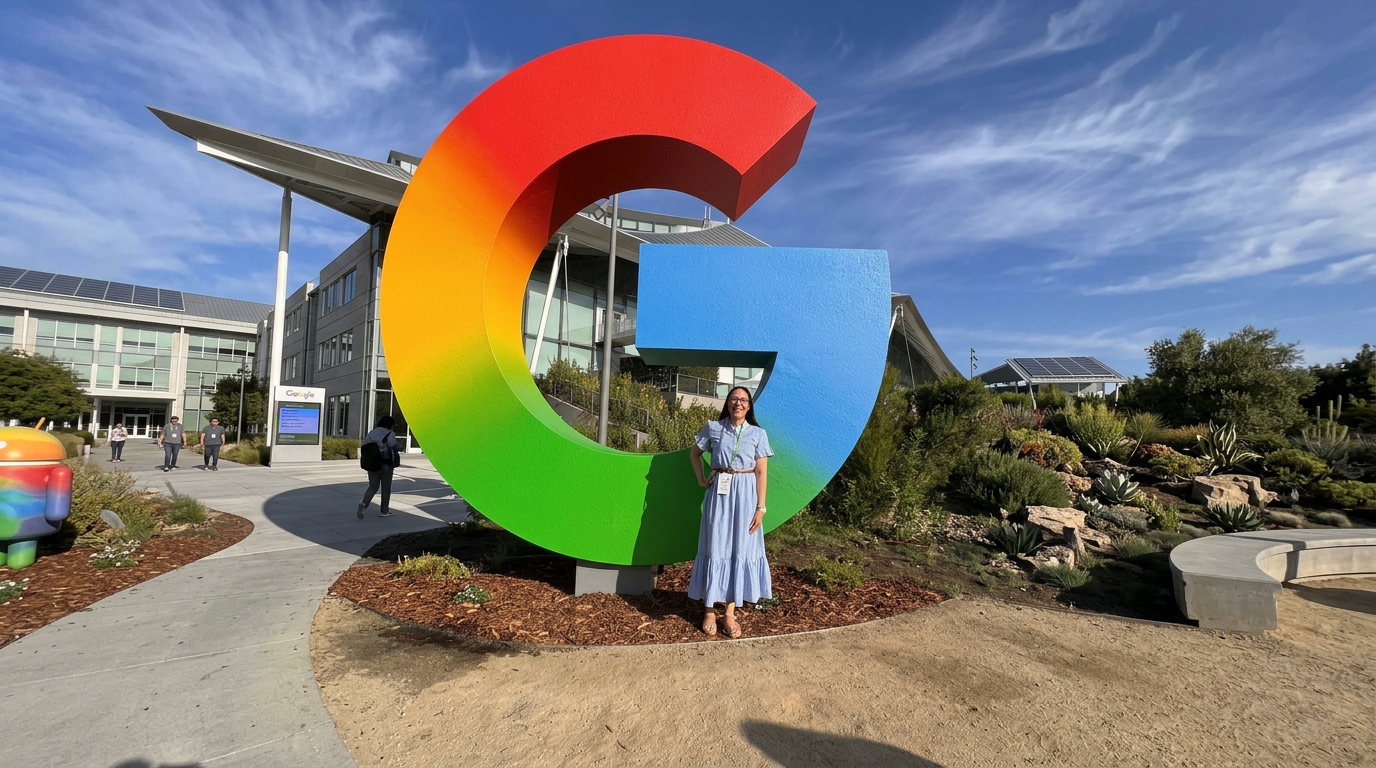
Monetization of AI: My Unfiltered Thoughts on Google Marketing Live 2026
Google Marketing Live 2026 made one thing clear: AI is being monetized aggressively, long before everyday consumers adopt advanced prompting or multimodal search. Here’s what advertisers need to know about auction transparency, budget pacing, and building brand guardrails.

Is there still such a thing as a Google Ads “expert”
Google Ads is entering a strange new era. The execution layer—the place experts once proved their value—is disappearing. Automation is taking over the levers, CPCs aren’t dropping, and performance gains look more like slow SEO‑style compounding than dramatic wins. So what actually makes a Google Ads expert different now? Not button‑pushing. Not secret settings. Strategy. Discernment. The ability to think with a founder, not just run their ads. That’s the work that doesn’t get automated away.

Micro‑Moments vs. Hyper‑Personalization: What Actually Wins High‑Ticket Leads?
Should your service brand optimize for micro-moments or go all-in on hyper-personalization? Sarah Stemen breaks down the high-ticket lead gen debate and reveals how Google's brand-new AI Business Agent is forcing both strategies to collide.
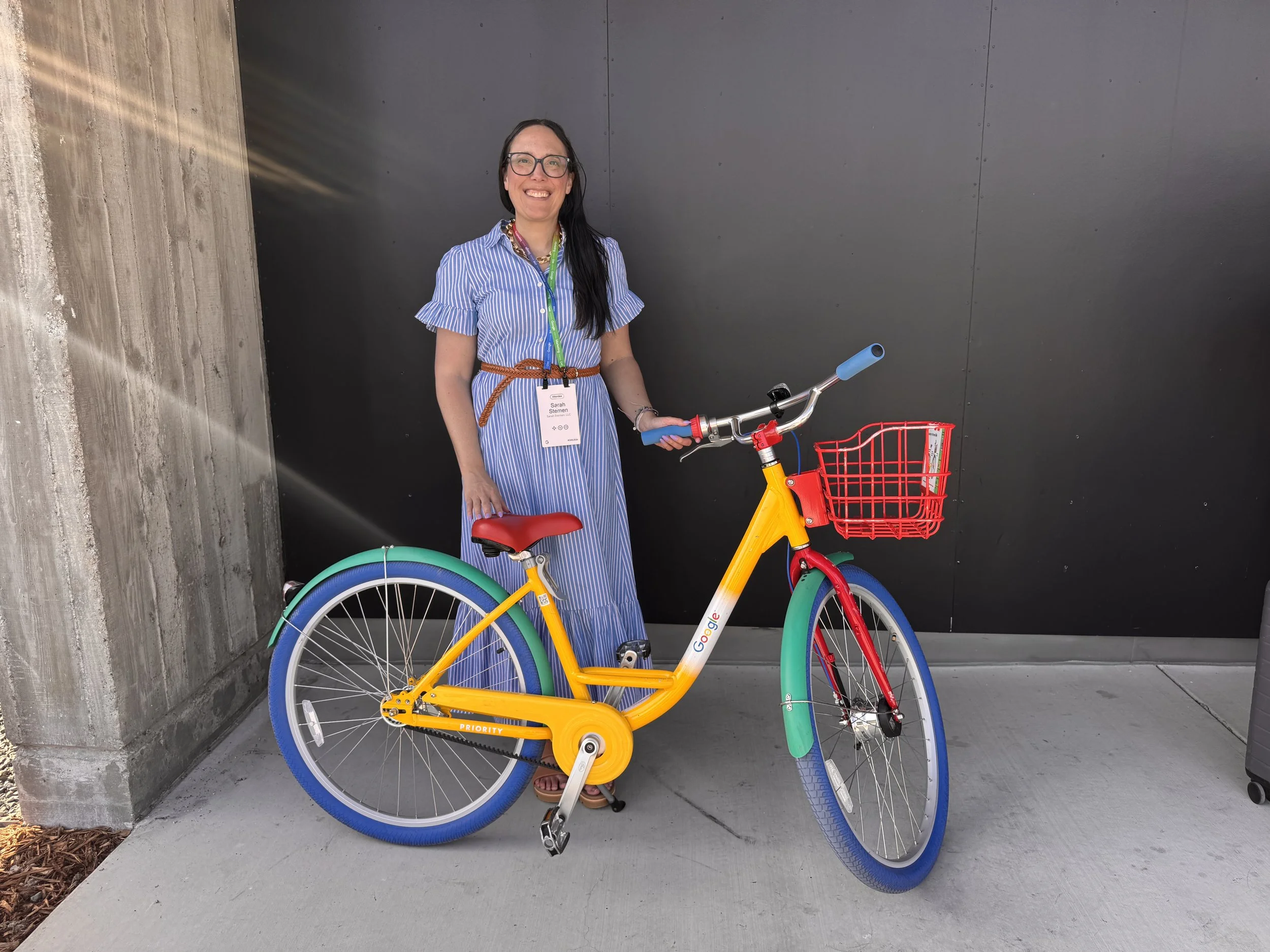
I Was in the Room at Google Marketing Live 2026. Here's What It Actually Means
I was in the room at Google Marketing Live 2026 again this year and what I took home wasn't a just list of features. It was a clear picture of where the strategy gap is growing, why that gap is the biggest opportunity of your career, and what you need to do right now to be on the right side of it.

Why Did My Google Ads Cost Per Click Spike Suddenly?
Your CPCs spiked overnight and your first instinct is to blame Google. But most CPC jumps aren’t caused by Google at all. This 7‑step diagnostic shows you how to identify whether the issue is seasonality, competitors, tracking failures, business changes, or your own account adjustments, before you break what’s working.

Why Your Google Ads Strategy Isn’t Working
Stop managing your 2026 Google Ads account with a 2019 playbook. If you’re seeing shrinking margins and stagnant growth, you might be falling for the "LTV Trap" or suffocating your campaigns with outdated manual controls. It’s time to stop fighting the algorithm and start fueling it. From the dangers of hyper-segmentation to the shift toward Profit on Ad Spend (POAS), learn why your current strategy is failing and the modern, AI-driven pivots you need to make to reclaim your profitability.

Google Ads Specialist: Your Shield Against the Industry’s “Complexity Tax”
Most agencies hide behind jargon and complexity. This guide shows how to choose a transparent Google Ads specialist, avoid the “Complexity Tax,” and protect your data, budget, and results.

Google Auction Insights: How to Read the Report Like a Pro (and Stop Wasting Budget)
How to Read the Report Like a Pro (and Stop Wasting Budget) Most people glance at the Auction Insights report, see a list of competitors, and move on. That’s a mistake. After 17 years of running Google Ads, I’ve learned that this report is the ultimate tool for separating strategic advertisers from those bleeding money. I’m breaking down how to spot competitor bidding algorithms, find "money pits," and—most importantly—how to know when the smartest move is to stop fighting and walk away.
![Maximize Conversions vs. Value Bidding vs. Max Conversions: Budget Pacing Guide [Step-by-Step]](https://images.squarespace-cdn.com/content/v1/64d9f2d9944b8f367e803788/1769783808760-6EJKJGXE0S64A3BD3DWI/maximize-conversions-vs-maximize-conversion-value-cover.jpg)
Maximize Conversions vs. Value Bidding vs. Max Conversions: Budget Pacing Guide [Step-by-Step]
Why does one Google Ads campaign burn through budget by noon while another barely spends? The answer isn’t broken bidding, it’s the algorithm doing exactly what you told it to do. Here’s how to interpret pacing like a pro.

The Death of the Discount: Why "Value-First" is the Only Way to Scale PPC in 2026
Are your sales actually hurting your business? In 2026, constant promotions don’t boost revenue like they used to. Instead sales erode margins, train the algorithm to chase bargain hunters, and destabilize your entire PPC account. This article breaks down the cost of over‑discounting and shows why shifting to value‑first messaging is now the sustainable way to grow.

Search Isn’t Matching Intent — It’s Matching Predictions: Inside the Predictive Era
I see advertisers with 'perfect' setups failing all the time. The reason? They are still operating under the Old Model. In 2026, the query is no longer the command—it’s just a signal. Welcome to the Predictive Era, where Google trusts its own predictions more than your inputs."

Why Your Best Google Ads Are Being Disqualified (And How to Fix It)
Imagine a school principal deciding that only the anchor runner gets to go to the championship, while the rest of the relay team is kicked off because 'they didn't cross the finish line.' It sounds ridiculous, but it's exactly how most businesses run their Google Ads. Here is why chasing a single metric is erasing the marketing teammates doing the real work and how to fix it.

How Much Should I Spend on Google Ads? A Clear, Math‑Driven Budget Guide
If you’ve ever wondered how much you should actually spend on Google Ads, you’re not alone. In this guide, we walk through the real math behind minimum viable budgets — so you can stop guessing, understand your breakeven CPA, and set a spend level that actually gives Google enough data to perform.

Profit on Ad Spend (POAS): Profit‑Driven Advertising: ROAS vs POAS for Real Growth
Hitting your ROAS target doesn’t guarantee profit. This article breaks down why revenue‑based optimization can mislead your Google Ads strategy — and when profit‑based bidding actually makes sense.

Google Maps Just Got Pulled Out of the Black Box. Here's Why That's Not Cosmetic.
I don't usually write about platform news unless a client is already testing it. A local therapy practice just ran a Maps-only Demand Gen campaign, so here's what actually changed in Google Maps this January, and why pulling Maps out of the Performance Max black box is a bigger structural shift than it looks.

Shattering the Top 9 Google Ads Myths: A Strategy Guide for Small Businesses
Google Ads is full of myths, half‑truths, and outdated advice that quietly drain your budget and confidence. In this guide, I break down the 9 most damaging Google Ads myths and show you the strategic reality behind profitable PPC.

The Google Ads Cost & Minimum Budget Hub
Google Ads costs feel chaotic until you understand the math behind CPC, intent, pacing, and minimum viable budgets. This hub gives you a clear, diagnostic map to stop wasting money and finally understand what your budget can — and can’t — do.

How to Improve Google Ads Targeting
A client selling tax-preparer certification software kept getting clicks from people who just wanted to file their own taxes. The targeting settings were fine. The chain between keyword, ad, and landing page was broken, and that's almost always the real problem.

Google Ads Signals & Value Hub
The Google Ads Signals & Value Hub is a clear, diagnostic map that explains how Google interprets behavior, how signals influence learning, and how value‑based bidding actually works. This hub organizes the core concepts practitioners must understand to protect their budget, diagnose performance, and make smarter decisions in a signal‑driven ecosystem.