Stop blaming yourself for a "Black Box" you didn’t build.
Everyone in marketing wants your money.
The platform profits when you waste money. The agency profits when you spend it. You are the only one incentivized to save it.
I wrote this blog to expose the "Black Box" and show you how to protect your business. I don't sell management. I sell the solution you need to stop losing money on ads.
Search all blog posts:

The Claude Crutch: Are We One Wrong Analysis Away from Disaster?
I’m sitting in my living room, riding the high of a late-night content bender, when a quieter fear cuts through the glow of my new laptop: What is constant AI usage doing to our actual capacity for deep thought? In Boston, I could feel my brain again—alone in a hotel lobby, no tools, just me and a blog post, ideas arriving unhurried and whole. Back home, surrounded by three screens and three LLMs, my thinking has grown jumpy and outsourced. In Google Ads, I can now skip days of rigorous analysis with a single prompt—but every time I do, I wonder what I’m trading away: not just time, but the critical thinking that used to live inside the math.

My Google Ads Only Brings The Wrong Clients
If you’re tired of Google Ads bringing you the "cheap," the unwilling to pay, or simply the wrong clients, this is for you. Spoiler alert: The problem isn’t your business, your prices, or your market. It's a foundational flaw in your campaign setup. Here is exactly why your ads are signaling the wrong audience—and how to easily fix it.

What Is Modified Broad Match In Google Ads
If you’re still seeing +keywords in a Google Ads account, you’re not imagining it. Modified Broad Match was sunset years ago, but legacy data still lives inside old accounts. Here’s what it means today and how to clean it up without destroying your historical performance.

Google Ads vs Blogging: The Surprising Search Engine Marketing Synergy You’re Missing
Most business owners treat Google Ads and blogging like rivals—but they’re actually two sides of the same search engine marketing coin. Both demand patience, clarity, and trust-building before results compound. In this post, I unpack the emotional and strategic synergy between paid and organic search: how blogging mirrors the learning phase of PPC, builds an organic “Quality Score,” and acts as the trust pixel that accelerates conversions. When you stop treating SEO and PPC as separate silos, you create a marketing engine that compounds authority and accelerates growth—without burning through ad spend.

Smart Bidding in Google Ads Does Not Work
If Smart Bidding in Google Ads isn’t working for you, it’s not user error — it’s a structural mismatch. Most businesses fall into one of three failure traps that cause the algorithm to overspend, chase junk traffic, or ignore real profit signals. Here’s why Smart Bidding breaks and how a hybrid, human‑guided approach finally puts you back in control.

Why Your Therapy Ads Keep Getting Flagged, and What Actually Still Works
Therapy ads get flagged more than almost any other category in Google Ads — not because you’re doing something wrong, but because you’re operating in one of the most sensitive, human‑centered spaces on the internet. If your campaigns keep getting hit with “Eligible (Limited)” labels, blocked audiences, or restricted targeting, you’re not alone. At SMX Boston last week, this was the number‑one complaint from agency owners.

Your Google Ads Agency Sends You Reports. That Doesn't Mean It's Working.
Most businesses don't need more Google Ads management — they need someone to find the one thing that's wrong and fix it. Here's the honest difference between a consultant and an agency, and how to know which situation you're actually in.
Excerpt (short): The honest difference between a Google Ads consultant and an agency — and how to know which one your business actually needs.

How to Tell If Your Google Ads Manager Actually Knows What They're Doing
You can't evaluate Google Ads expertise from a certification, a proposal, or a sales call. Here's what 17 years in paid search has taught me to look for — and the questions that reveal whether someone is actually thinking or just following rules.
Landing Pages in 2026: Why AI Hates Short Pages (and What to Do Instead)
AI has changed how landing pages work. Humans love simple pages, but AI models can’t understand a business from 50 words. Here’s how to keep your clean UX while giving Google the context it needs to send you better customers.

Stop Writing For The Algorithm Advice
I didn’t grow my blog by chasing SEO. I grew it by writing what my ideal client needed to hear — and six months later, Google’s algorithm rewarded the depth, honesty, and voice no one else can copy.

The Quiet Days Are Lying to You (And So Is Your Urge to Fix Them)
When leads go quiet, it doesn't feel like a slow news day. It feels like a signal. Like the ground is shifting. Like everything I have built might have just been a run of luck that's over now.
But that feeling is not evidence of anything. It's just fear doing what fear does—filling silence with worst-case stories.
This exact pattern shows up in paid search constantly. Something starts working, and our immediate, human instinct is to scale it immediately. Add more keywords. Increase the budget. Tweak the settings before they've had time to gather real data. We react to a feeling instead of reading the signal.
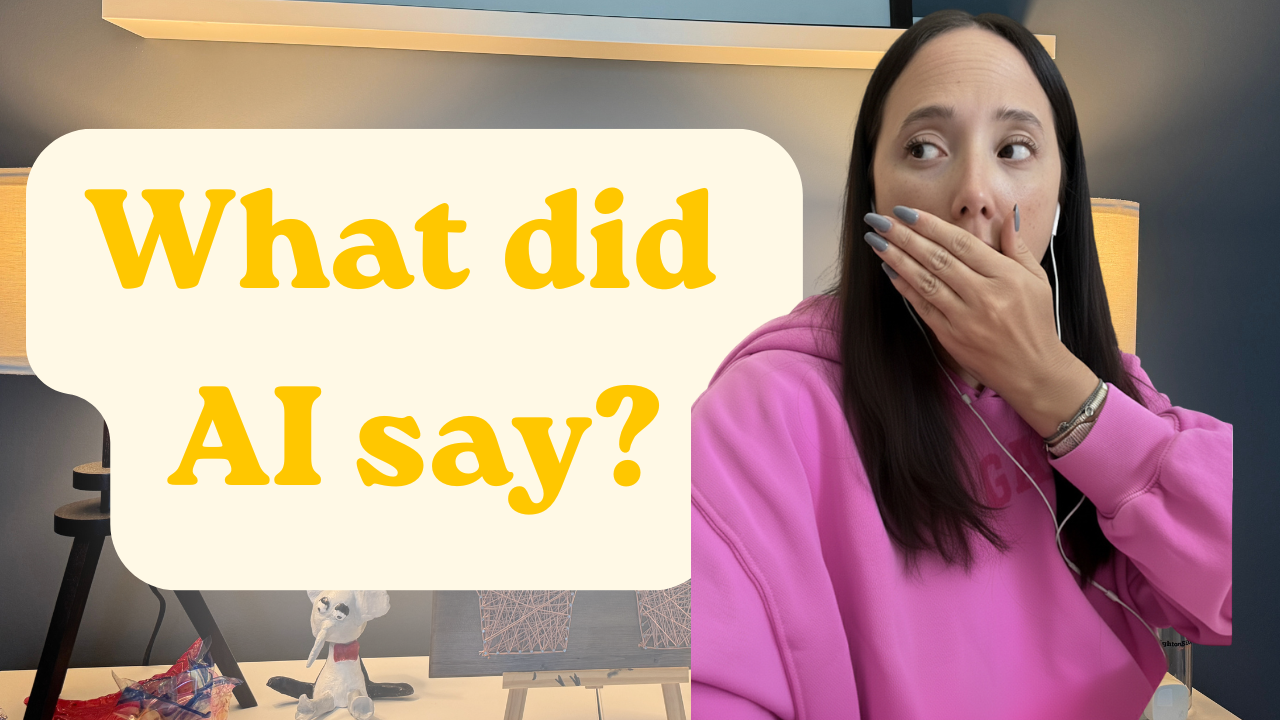
I Did An AI Audit Of Myself And Here Is What It Means For Your Google Ads Strategy
AI already has a version of you — whether you’ve shaped it or not. When I asked Gemini who I am, it pulled a shockingly accurate narrative from my blogs, videos, and interviews. This post breaks down what AI thinks about your brand, why it matters, and why every founder should audit themselves before AI becomes the primary distribution layer of the internet.

Why Your Social Media Mindset is Wrecking Your Google Ads
Most people spend six months posting on social media and walk away thinking they failed. But the truth is, you're probably just using a precision instrument with a virality mindset. Here is why Google Ads isn't a visibility engine—it's an intent engine—and how to shift your strategy to match the machine.

What My Boston Writing Day Taught Me About You (Yes, You — the Business Owner Trying to Do It All)
A Boston writing day revealed the same truth I see in overwhelmed business owners: you’re not bad at Google Ads — you’re drowning in noise. Here’s why clarity only shows up when the inputs quiet down.

The Shame Business Owners Carry About Google Ads (And Why It Was Never Yours to Hold)
Business owners often blame themselves when Google Ads don’t work — but the shame you’re carrying was never yours. This post explains the real structural reasons behind PPC confusion and why even experts struggle with the system.

The Checkout-Free Airport Store That Reveals Google's Entire Shopping Strategy
I went to grab Skittles at a Chicago airport store and accidentally walked into a live demonstration of where Google Ads is headed. No cashier. No register. No checkout line — just cameras, an identity tap, and a virtual cart that closed the moment I hit the door. If you're running Google Ads right now and you don't understand this architecture, you're flying blind.
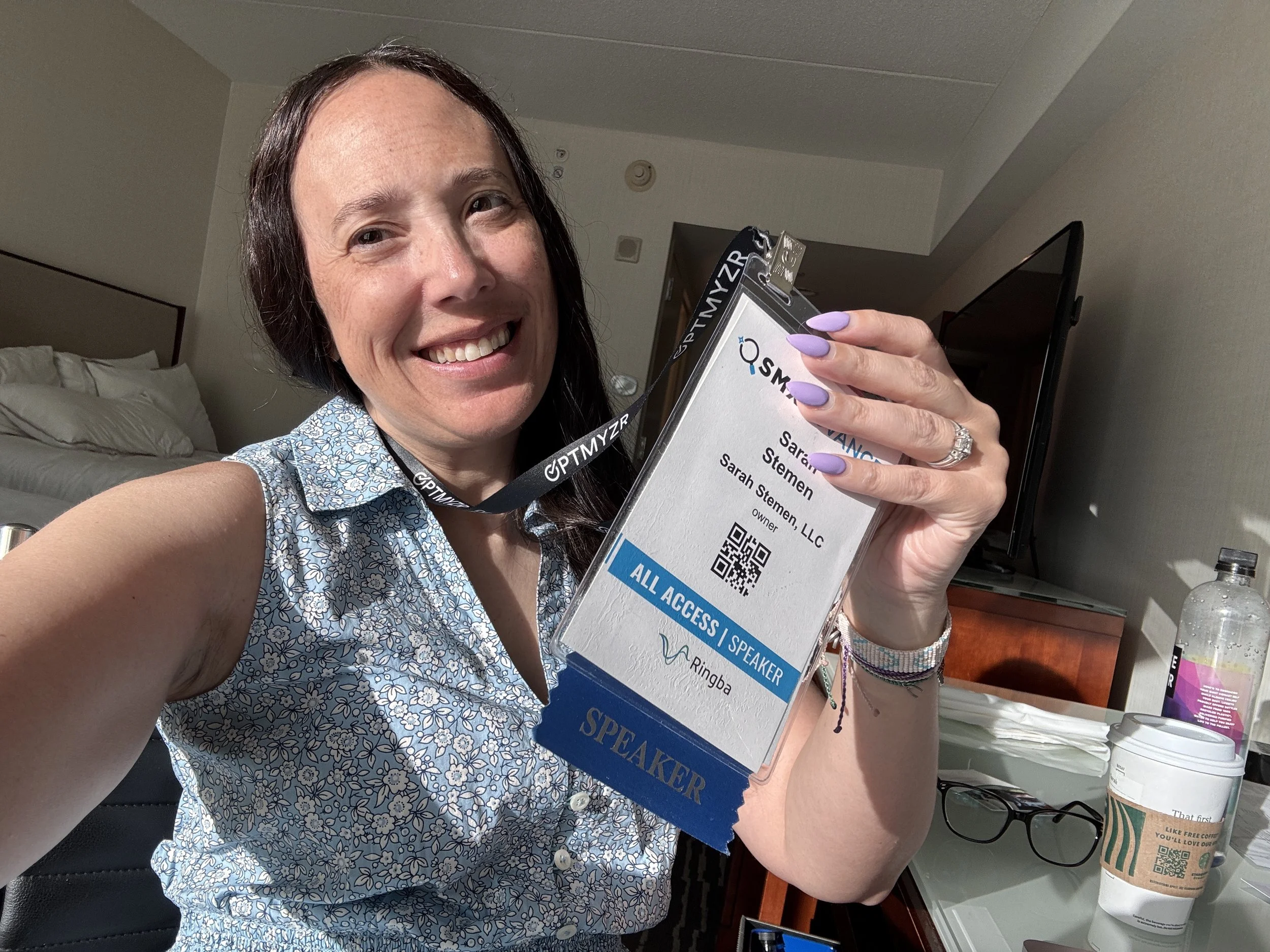
Live From SMX Boston: My Real-Time Takeaways
Your central hub for all things SMX Boston 2026. I’ll be live‑blogging throughout the day with real‑time notes, quick takeaways, and session insights. Refresh often—this page updates continuously.

My Writing Reward (and Learning Something New)
This is just a fun post about my day so far coming to Boston for SMX. I will be leading a Mastermind Session Tomorrow afternoon. I came in a day early, wrote an article, explored Boston and I am just posting as much as I can to keep the energy alive.
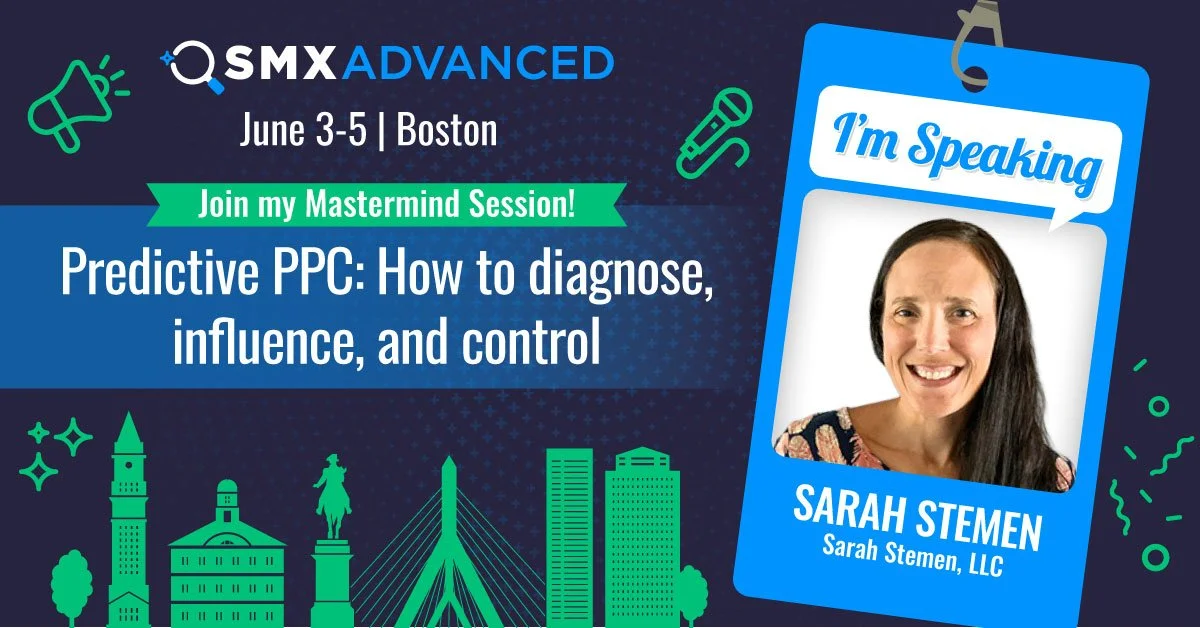
Headed to SMX Advanced: Why This Week Matters for Predictive PPC, Learning, and Community
SMX Advanced feels like the perfect moment to bring predictive PPC into the spotlight. As I head to Boston to lead a mastermind session, I’m diving deep into how Google’s algorithms have shifted from reactive matching to predictive modeling — and I’m bringing a case study that shows the change happening in the data itself. Beyond the work, I’m energized to reconnect with some of the brightest minds in search, learn from the SEO track for my own business, and spend a week sharpening my thinking alongside people who make this industry feel like home.
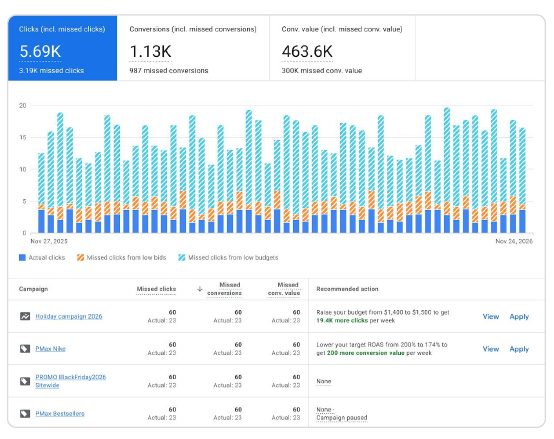
What Is The New Missed Opportunity Reporting In Google Ads
Missed Opportunity Reporting is Google’s attempt to replace impression share with a more honest view of lost demand. It’s useful, but not perfect. This post breaks down why Google built it, how to read it, and where it falls short — especially for advertisers who need profitability, not just more auction participation.